


Netflix vs. HBO Max: Dissecting 2024's Streaming Wars for Market Dominance
Introduction
The streaming landscape is a fiercely contested arena, where the battle for subscriber attention and revenue unfolds daily. Once a clear leader, Netflix now faces intense competition from established giants and nimble newcomers alike. This struggle defines the core status of the digital entertainment industry, a seemingly simple subscription model that conceals intricate strategies involving content acquisition, technological innovation, and user experience. Understanding these underlying mechanisms is crucial to comprehending the current state of media consumption.
This dynamic competition is vital for the scientific community, industry analysts, and consumers, shaping everything from content production budgets to the very way we access entertainment. In 2024, the "streaming wars" have intensified, with Warner Bros. Discovery's HBO Max (now rebranded as Max in many territories) emerging as a formidable challenger, leveraging a rich legacy of prestige content and strategic mergers. Current developments include evolving business models, such as the introduction of ad-supported tiers, and the ongoing debate over content exclusivity versus licensing deals. These shifts are key to understanding the advancements in direct-to-consumer media and resolving disputes over market valuations. What impact would it have on our understanding or practice of digital entertainment if we failed to fully comprehend the intricate competitive dynamics between these titans?
Content is King: A Realm Divided

The Strategic Plays in Original Programming and Library Depth
The essence of any streaming service's appeal lies in its content, acting as a gravitational pull for subscribers. Netflix, the pioneer in original streaming content, operates on a high-volume strategy, investing billions annually to produce a vast array of global originals across diverse genres. This approach, exemplified by hits like "Squid Game" or "Stranger Things," aims to cater to broad tastes and maintain consistent engagement, a method often described as a "content treadmill." They prioritize quantity and consistent new releases, creating a constant stream of reasons for subscribers to stay.
Conversely, Max distinguishes itself with a curated, prestige-focused library, inheriting critically acclaimed series from HBO like "Succession" and "The Last of Us," alongside an expansive vault of Warner Bros. Discovery content including DC Universe, Cartoon Network, and blockbuster films. This strategy prioritizes quality over sheer volume, leveraging iconic brands and award-winning productions to attract and retain subscribers who value premium storytelling. The direct-to-streaming window for Warner Bros. films, though sometimes controversial, has provided immediate access to new theatrical releases, a significant differentiator. While Netflix aims for broad appeal through sheer volume, Max leverages a rich heritage of acclaimed content to cultivate a perception of unparalleled quality and exclusive value, acting as a connoisseur's choice in the streaming buffet.
The Economics of Engagement: Subscribers, Revenue, and Business Models
Unpacking Subscriber Growth and Financial Stability
Beyond content, the financial health and subscriber metrics are crucial indicators of success in the streaming wars. Netflix historically dominated subscriber counts globally, building a vast international footprint. However, recent quarters have seen slower growth for the streamer, indicating market saturation and intensified competition. Max, while starting with a smaller base, has demonstrated consistent growth, leveraging its strong content library and the strategic bundling opportunities arising from the Warner Bros. Discovery merger. The average revenue per user (ARPU) is a key metric, reflecting pricing strategies and the effectiveness of ad-supported tiers, which both platforms have now embraced. These ad-tiers represent a significant shift, aimed at boosting revenue and attracting price-sensitive consumers, diversifying income streams beyond pure subscription fees.
This table illustrates a hypothetical snapshot of subscriber figures and ARPU for these services, providing a comparative glance at their market penetration and monetization efforts. These figures, while illustrative, reflect the ongoing dynamic changes in the streaming landscape where subscriber growth can fluctuate significantly based on content releases, pricing, and global economic factors.
| Metric (Q1 2024 Est.) | Netflix (Global) | Max (US & EU) |
|---|---|---|
| Total Subscribers (Millions) | 260 | 98 |
| Average Revenue Per User (ARPU) | $11.50 | $10.80 |
| Ad-Tier Adoption Rate | 20% | 15% |
The data indicates Netflix's broad global reach, while Max shows strong performance in its core markets. Both are actively exploring hybrid business models to optimize revenue, recognizing that subscriber numbers alone do not guarantee profitability. The introduction of ad-supported plans is a calculated risk, aiming to lower the entry barrier for new users while simultaneously increasing overall revenue through advertising impressions, a delicate balancing act to maintain user satisfaction and financial viability.
User Experience and Innovation: The Battle for Retention
Interface Design, Personalization, and Technological Edge
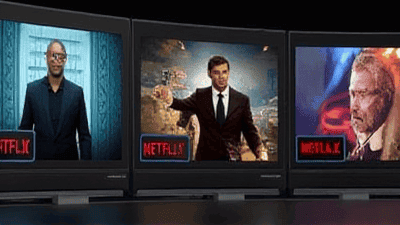
In a crowded market, a seamless and intuitive user experience is paramount for subscriber retention. Both Netflix and Max invest heavily in their platforms, but with subtly different philosophies. Netflix is renowned for its sophisticated recommendation engine, leveraging vast amounts of user data to personalize content suggestions. This algorithmic prowess creates a deeply tailored experience, often feeling like the platform "knows" what a user wants to watch next, reducing choice paralysis. Its interface is generally considered fluid and accessible across a multitude of devices.
Max, while also offering personalization, often emphasizes discoverability within its diverse content library, aiming to highlight its premium offerings and various content hubs (e.g., HBO, DC, Discovery). The recent transition from HBO Max to Max involved significant UI/UX changes, aiming for greater cohesion across its expanded content categories, although this process has seen mixed user feedback. The technological race extends to streaming quality, audio formats, and accessibility features, where both platforms strive to offer industry-leading standards. Ultimately, the service that can provide the most effortless navigation, effective content discovery, and reliable streaming quality stands a better chance of keeping viewers engaged in the long run, even against formidable content libraries.
Conclusion
The 2024 streaming wars between Netflix and Max encapsulate a pivotal struggle for dominance in digital entertainment. We have explored how content strategy, whether Netflix's volume-driven global originals or Max's prestige-focused, curated library, forms the bedrock of subscriber appeal. The analysis of subscriber growth, ARPU, and the strategic embrace of ad-supported tiers highlighted the evolving economic models crucial for sustainability in a saturated market. Furthermore, the divergence in user experience—Netflix's advanced personalization versus Max's curated discovery—underscores how interface design and technological innovation are vital battlegrounds for user retention. The most critical finding is that success no longer hinges on a single factor but on a dynamic interplay of content, financial acumen, and user-centric design. Both services, in their distinct ways, affirm that consistent innovation and adaptation are non-negotiable in maintaining their position and value within the competitive streaming landscape.
Looking ahead, the streaming industry faces ongoing evolution driven by macro scientific policies, rapid technological iterations, and increasing interdisciplinary integration. We can anticipate further consolidation within the media landscape, as companies seek economies of scale and cross-promotional synergies. The role of artificial intelligence in content creation, discovery, and targeted advertising is set to expand dramatically, potentially revolutionizing how audiences interact with content. Challenges include combating password sharing more effectively, navigating complex international regulatory environments, and sustaining creative output without compromising quality. Future breakthroughs might involve novel interactive storytelling formats or more seamless integration with other digital services. Continuous research into consumer behavior, content monetization, and platform technology will be paramount, guiding strategic decisions and ensuring that these entertainment titans can not only survive but thrive in an ever-changing digital ecosystem.
Frequently Asked Questions (FAQ)

Q: What are the key factors driving subscriber decisions in the streaming market, beyond just content? A: While content is undeniably a primary driver, subscriber decisions in the highly competitive streaming market are influenced by a complex interplay of factors that extend beyond just what's available to watch. Price and value perception are paramount; consumers are increasingly sensitive to subscription costs, especially as they often subscribe to multiple services. The introduction of ad-supported tiers by both Netflix and Max illustrates an effort to offer lower price points, catering to budget-conscious viewers while generating additional revenue through advertising. User experience (UX) is another critical element. An intuitive interface, effective search and discovery tools, reliable streaming quality, and personalized recommendations significantly enhance satisfaction. A cumbersome or buggy platform can quickly lead to churn, regardless of content quality. Exclusivity and original programming differentiate services; a show or movie available only on one platform becomes a "must-have" for fans, creating stickiness. Finally, cross-platform availability and device compatibility ensure that users can access their content anywhere, anytime, on their preferred devices, which is a foundational expectation in today's digital world. The convenience of easy access, combined with a compelling library and a fair price, collectively shapes a subscriber's decision to join and remain with a service.
Q: How do ad-supported tiers impact the financial viability and user perception of streaming services? A: Ad-supported tiers represent a significant strategic shift for streaming services like Netflix and Max, profoundly impacting both their financial viability and user perception. Financially, these tiers offer a crucial new revenue stream beyond pure subscriptions. By attracting advertisers, services can offset content production costs, increase overall revenue, and potentially offer lower subscription prices, thereby broadening their subscriber base. This diversification reduces reliance solely on subscriber growth, which is becoming increasingly challenging in a saturated market. It also allows services to convert price-sensitive users who might otherwise not subscribe. From a user perception standpoint, the impact is more nuanced. For many, a lower price point is a welcome option, especially during economic downturns, making premium content more accessible. However, the introduction of ads can be a point of contention for users accustomed to an ad-free experience, a hallmark of early streaming. Some may perceive it as a step backward, diminishing the "premium" feel of the service. The quality and frequency of ads become critical; too many or poorly targeted advertisements can degrade the viewing experience and lead to frustration. Services must carefully balance ad load with user tolerance to prevent churn among both new ad-tier subscribers and existing ad-free subscribers who might contemplate switching if the value proposition of their higher-priced tier diminishes. Ultimately, the success of ad-tiers hinges on proving their value to both advertisers and consumers.